
Choosing the right material is one of the most important decisions when investing in commercial security fencing. The material you select directly impacts durability, appearance, maintenance, and the level of protection your property receives.
With a wide range of options available, understanding the differences between fencing materials helps business owners make informed decisions that balance security needs with budget and design preferences.
1. Chain Link Fencing
Chain link fencing is one of the most widely used solutions for commercial security fencing due to its affordability and functionality. Made from galvanized or coated steel wire, it is resistant to rust and weather damage. While it provides strong perimeter protection, it is also transparent, allowing visibility into and out of the property. This feature enhances security by enabling surveillance cameras and personnel to monitor activity easily, though it may lack visual privacy.
2. Steel and Iron Fencing
Steel and iron fences offer a higher level of strength and visual appeal. These materials are ideal for locations requiring enhanced security and professional appearance, such as office buildings and industrial sites.
Steel fencing is designed to withstand forced entry, making it difficult to cut or bend. Iron fencing adds architectural value while still providing reliable protection. Although these options can be more expensive, they often last longer and require less frequent replacement.
3. Aluminum Fencing
Aluminum is a lightweight yet durable material commonly used in commercial security fencing when rust resistance and appearance are a priority. Unlike steel or iron, aluminum does not corrode, making it a suitable option in coastal or high-moisture areas.
While it may not match steel in terms of physical strength, aluminum fencing offers a good balance between durability, low maintenance, and modern design.
4. Wood Fencing
Wood fencing offers natural appeal and privacy, but it is not always ideal for high-security needs. It is more susceptible to weather damage, pests, and rotting over time.
However, treated or reinforced wood fencing can still serve as a barrier for properties that prioritize aesthetics along with moderate security. Regular maintenance is required to ensure longevity and safety.
5. Vinyl and Composite Fencing
Vinyl and composite materials provide modern alternatives for commercial security fencing. These options are resistant to moisture, rot, and insects while offering low maintenance requirements.
Vinyl fencing offers privacy and visual appeal, while composite fencing blends durability with environmental sustainability. Though not as strong as steel, these materials work well for businesses seeking a clean look combined with basic security.
6. High-Security Materials
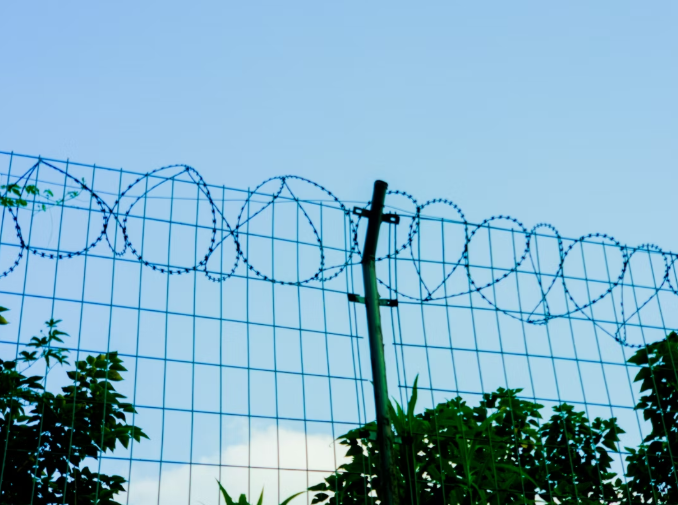
For facilities requiring maximum protection, high-security materials such as welded wire panels, anti-climb mesh, and electric fencing offer advanced defense. These materials are designed to deter intruders and resist cutting or tampering.
They are commonly used for airports, data centers, and industrial zones where security is critical.
Conclusion
In conclusion, each fencing material offers distinct advantages depending on security requirements, environment, and budget. Chain link and aluminum are cost-effective and low maintenance, while steel and iron provide increased strength and a professional appearance.
Vinyl and wood may suit businesses emphasizing style, while high-security options deliver maximum protection for sensitive locations.