
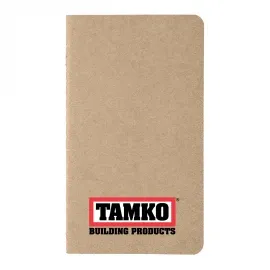
In a busy professional environment, simple stationery can become a valuable tool for communication, organization, and brand recognition. A thoughtfully designed logo on notepad creates a professional appearance while keeping a business name visible during meetings, training sessions, and everyday office activities.
Notepads are practical, affordable, and useful for employees, clients, and business partners. When designed carefully, they combine everyday convenience with consistent branding, helping companies create a positive impression without relying on expensive advertising campaigns.
Why Branded Notepads Matter for Businesses
Notepads remain useful even as workplaces adopt digital tools. Employees still need paper for quick reminders, meeting notes, task lists, and brainstorming sessions. Providing branded stationery gives people something practical to use while displaying a company’s identity naturally.
Businesses can use branded notepads for several purposes:
● Office stationery: Maintain a consistent appearance across departments and workspaces.
● Client gifts: Provide useful items during consultations, meetings, and business visits.
● Employee welcome kits: Include notepads alongside pens, folders, and other essential supplies.
● Trade shows: Distribute practical giveaways that visitors can take back to their offices.
● Training sessions: Help participants record important information and action points.
Choosing the Right Design for Your Brand
A successful notepad design should balance appearance, readability, and functionality. Too many decorative elements can make writing difficult, while a simple layout often looks more professional. Companies should consider how the stationery will be used before selecting its dimensions, paper quality, printing style, and overall appearance.
Businesses can design your own notepads by selecting colors, layouts, and branding elements that reflect their identity. A company logo can appear at the top, in a corner, or along the bottom of each page. Contact information may also be included when it supports the intended purpose without occupying too much writing space.
Important design considerations include:
● Logo placement: Choose a position that remains visible without interfering with handwritten notes.
● Brand colors: Use familiar corporate colors to maintain consistency across marketing materials.
● Paper quality: Select suitable paper that feels comfortable to write on and works with commonly used pens.
● Page layout: Leave enough blank space for notes, reminders, and meeting summaries.
● Binding style: Consider glued edges, spiral binding, or other convenient formats according to usage requirements.
Selecting Suitable Sizes and Materials
Notepads are available in different sizes to meet various workplace requirements. Smaller formats are convenient for short reminders and quick lists, while larger sheets provide more room for detailed notes and planning. The right choice depends on the intended audience, distribution method, and available budget.
For a more organized selection process, companies should consider these options:
● Pocket-sized pads: Suitable for quick notes, appointments, and everyday portability.
● Standard notepads: Appropriate for desks, reception areas, and general office use.
● Larger writing pads: Useful for meetings, workshops, and detailed planning.
● Premium stationery: Ideal for executive offices, important clients, and professional gift packages.
Using Notepads Across Marketing Campaigns
Promotional stationery works best when it supports a broader marketing strategy. Companies can distribute notepads at conferences, seminars, product launches, customer appreciation events, and industry exhibitions. Because recipients can use them immediately, these items offer practical value instead of serving only as decorative reminders of a brand. Including stationery among corporate promotional products also helps businesses create coordinated marketing packages.
Branded pens, folders, calendars, reusable bottles, and notepads can share the same visual identity, creating a consistent experience for recipients. Such combinations are particularly useful during employee onboarding, client meetings, and seasonal gifting campaigns.
To improve the effectiveness of a promotional campaign, businesses should:
● Understand the audience: Select designs and formats that match recipients’ professional needs.
● Maintain consistency: Coordinate logos, colors, and messaging across different promotional items.
● Plan distribution: Identify suitable events, departments, or customer groups before ordering.
● Check print quality: Review artwork, spelling, alignment, and colors before approving production.
● Order strategically: Estimate quantities carefully to reduce unnecessary expenses and excess inventory.
Conclusion
Sustainability may be another consideration. Recycled paper, responsible material choices, and efficient packaging can support environmental goals when they align with company priorities. Clear communication about material specifications helps buyers make informed decisions and select stationery that suits their intended use.
Choosing suitable promotional stationery is an opportunity to combine everyday usefulness with professional brand presentation. With the right design, quality, and distribution strategy, notepads can support stronger brand recognition across offices, events, and customer interactions. BRAVA Marketing Promotions helps businesses explore promotional merchandise options that support their marketing objectives.